
Industries
Healthcare scent marketing in New York
In nursing homes and assisted living, the first job is removing odor. The second is making the room feel like somewhere people want to sit.
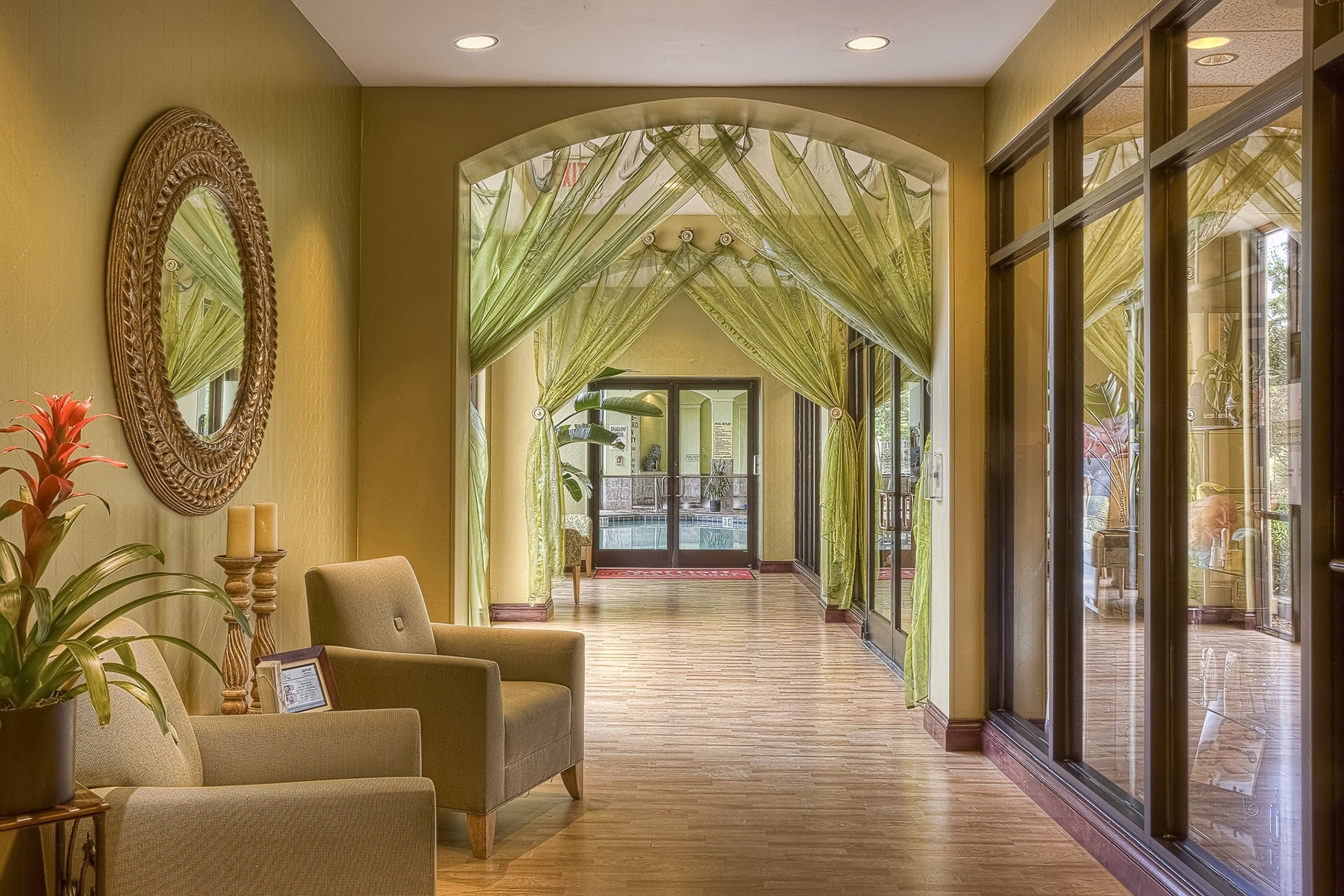
Healthcare and senior living environments in New York are visited by families making a decision, not just by residents living with it. Common areas and corridors carry most of that impression, and odor is the detail people remember and repeat. That is why these programs almost always begin with odor neutralizing — eliminating unpleasant odors rather than covering them with something stronger — before any ambient character is layered on.
Once the baseline is clean, a light, calming scent in common areas and lounges softens the institutional feel of long corridors and shared rooms. The intent is a space that feels cared for, applied conservatively and reviewed regularly rather than set once and forgotten.
Spaces we scent
Areas we treat in care environments
Common and circulation areas, chosen with the facility's staff.
- Nursing home and assisted living common areas
- Day rooms and lounges where residents and visitors spend the most time.
- Corridors
- Long enclosed runs that hold odor and set the tone between rooms.
- Reception and family waiting areas
- Where first impressions are formed, often under time pressure.
- Dining and activity rooms
- Spaces with strong, changing odor loads through the day.
- Restroom vicinities and service corridors
- Where neutralizing does the work and ambient scent is kept minimal.
What to consider
Considerations specific to care settings
Occupant sensitivity governs every decision here, and output stays deliberately restrained.
- Sensitivity of occupants
- Residents are present around the clock, so levels are set low and reviewed.
- Airflow
- Corridor pressurisation and older air handling determine what is achievable.
- Ceiling height
- Standard institutional heights hold scent well, which argues for less, not more.
- Foot traffic and dwell time
- Lounges hold people for hours; corridors for moments.
- Noise
- Quiet is part of the environment; nothing audible belongs in a day room.
- Equipment visibility
- Hidden, tamper-resistant placement is preferred in resident areas.
“Over 80% of adults indicated that odor contributed to their perception of an unsanitary space.”
HVAC or standalone
HVAC or standalone in a facility
Facilities with central air are usually served through HVAC scenting, which keeps all equipment out of resident areas: the micro-mist travels with the conditioned air through existing ducts, distribution is even, and the only routine maintenance is replacing the oil bottle. The system does not damage the ventilation, and the fan is left ON so circulation continues between heating and cooling cycles.
Where wings are on separate systems, or in older buildings without central air, standalone diffusers cover individual common rooms and corridors so each area can be tuned on its own.
How a facility program is introduced
- 01
Initial consultation
We talk through your space, your brand and what you want people to feel.
- 02
Facility survey
Our engineering team evaluates the space in person, free of charge.
- 03
System design
We specify HVAC scenting or standalone diffusers and where they go.
- 04
Scent development
A custom signature scent with renowned perfume designers, or a scent from our library.
- 05
Installation and service
On-site scent mapping, a dedicated Customer Care representative and ongoing monitoring.
Healthcare scenting questions
Is this masking odor or removing it?
Our odor neutralizing eliminates unpleasant odors rather than masking them. In care environments that is the priority, and any ambient scent is added on top of a neutralized baseline, not used as a cover.
Can we start with one wing before rolling it out?
Yes. Beginning with one common area or corridor is common practice. The facility survey covers the whole building so the rollout is planned, but the installation can be staged.
How closely is it monitored after installation?
Installation includes on-site scent mapping, a dedicated Customer Care representative and ongoing monitoring, so output in resident areas can be adjusted as feedback comes in rather than left at its initial setting.
Related reading
Start with your space